*Note: Photos are for reference only. Actual product, color, and size may slightly differ due to lighting and manual measurements.
Serpae tetra
₹300.00
/ dozen(Aap ₹60 bacha rahe hain!)
Scientific Name: Megalamphodus eques
Common Names: Callistus tetra, red tetra, jewel tetra, blood characin.
Maximum Size: Approximately 4 cm (1.6 in).
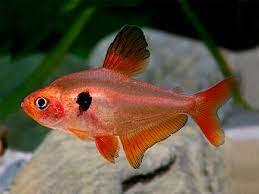
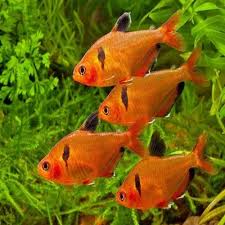
Coloration: Reddish-olive body brightening to scarlet, featuring a characteristic comma-shaped black humeral (shoulder) spot.
Habitat: Slow-flowing tributaries, floodplain lakes, and flooded environments in the Amazon and La Plata basins.
Aquarium Needs: Best kept in schools of at least six; thrives in temperatures ranging from 22–27 °C (72–81 °F).
Behavior: Known for a distinct "twitching" or "sputtering" swimming style and can occasionally exhibit fin-nipping tendencies toward long-finned tankmates.
Species Profile & Care Guide
50+ Gallons
28°C - 30°C
Carnivore
Advanced
Detailed Description
Taxonomy and History
The species was first formally described by the Austrian ichthyologist Franz Steindachner in 1882 under the name Chirodon eques. In 2024, it was reclassified into the genus Megalamphodus. The specific name, eques (meaning "horseman" or "rider"), is thought by some to reference the saddle-like mark found on its side.
Distribution and Ecology
The Serpae tetra is naturally found in a disjunct range across South America, including the Amazon basin in Brazil and the La Plata basin (spanning Argentina, Bolivia, Paraguay, and Uruguay). In the wild, it prefers slow-moving, vegetated waters, such as floodplain lakes and densely planted tributaries. It is highly adaptable and often inhabits anthropogenic environments like artificial ponds and reservoirs.
Care in Captivity
As one of the most popular species in the hobby, the Serpae tetra is generally robust and easy to feed, readily accepting flakes, pellets, and small frozen foods. Because they are schooling fish, they are significantly less stressed and display more natural behavior when kept in groups of six or more. Aquarists are advised to keep them in tanks with sufficient space and decor to provide visual barriers, which helps mitigate their occasional tendency to nip the fins of slower or long-finned tankmates. Most individuals found in the aquarium trade are captive-bred rather than wild-caught.